
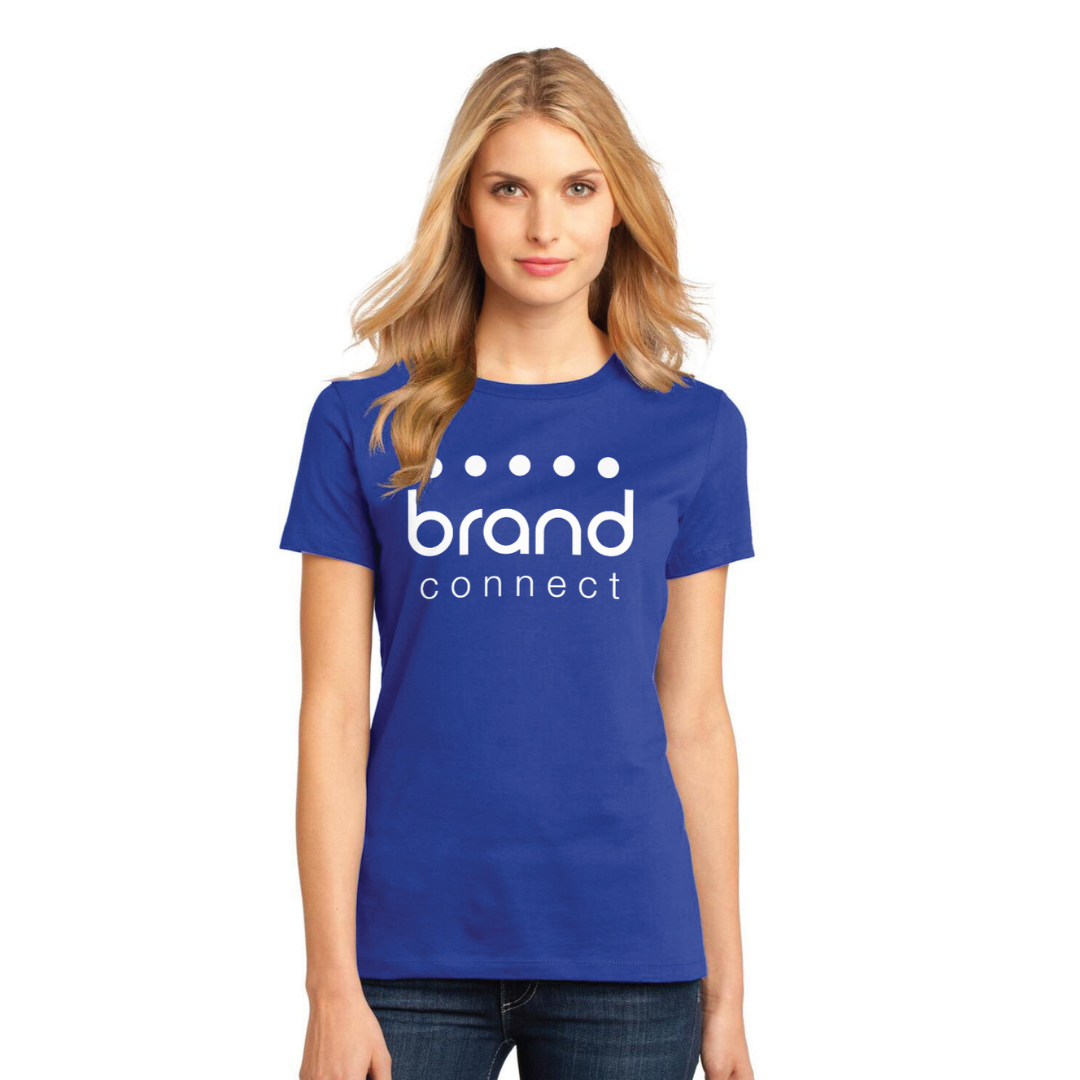
What is the process of screen printing?
- Large print areas on flat and cylindrical products are possible
- Ideal for large solid areas of colour
- Can PMS match colours on white or light coloured products
- Screen print ink drys fast, so products can usually be shipped right after printing
- Metallic gold and silver inks are available on request
Advantages
- Not recommended for logos and designs that have very fine lines and half-tones
- Cannot print variable data
- Close PMS matches struggle to show up on dark-coloured objects
- Each colour incurrs a setup cost
Limitations
Artwork Format Required
- Vector (EPS, AI or PDF)
Select some products from your catalog to feature on this page.