
From Fast Fashion to Slow Branding: What Marketers Are Learning
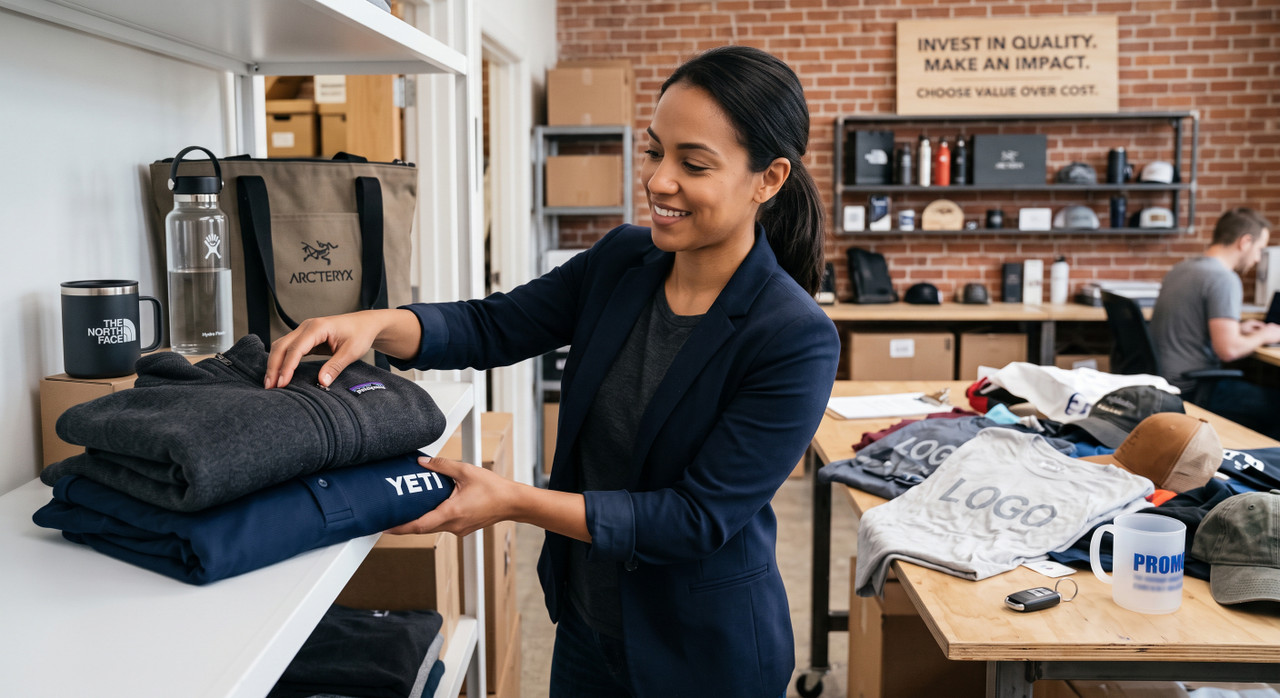
Why Slow Branding Is Replacing Fast Promotional Product Strategies
For years, promotional products followed a fast fashion mindset: produce cheaply, distribute at scale, and accept that most items will be discarded within weeks.
It worked on volume — but failed on impact.
Slow branding flips that model completely.
Instead of chasing quantity, slow branding focuses on quality promotional products, long-term usability, and sustainable marketing outcomes. The goal isn’t mass distribution — it’s lasting brand visibility and meaningful engagement.
Marketers adopting slow branding strategies are seeing stronger brand perception, higher retention, and significantly better ROI over time.
The Problem With Fast Fashion Thinking in Promotional Products
Traditional promotional strategies mirror fast fashion — and suffer from the same problems:
- High-volume, low-quality product distribution
- Items designed for short-term use and quick disposal
- Continuous replacement cycles increasing costs
- Minimal emotional or practical value for recipients
- Environmental waste contradicting sustainability claims
The result?
Thousands of items distributed… and almost zero long-term brand impact.
When promotional products feel disposable, your brand does too.
What Is Slow Branding in Promotional Merchandise?
Slow branding is a strategic approach to promotional products that prioritizes longevity, quality, and sustainability over volume and speed.
Instead of asking:
“How many items can we distribute?”
It asks:
“How long will this product stay in someone’s life?”
Key principles of slow branding marketing:
- Fewer, higher-quality items
- Products designed for multi-year use
- Sustainable materials and ethical sourcing
- Strong alignment with brand positioning
- Focus on long-term brand exposure
This shift turns promotional merchandise from short-term giveaways into long-term brand assets.
Real Examples of Slow Branding in Action
Slow branding isn’t theoretical — it’s already happening across premium promotional product strategies.
Examples include:
- High-quality apparel designed for everyday wear over multiple years
- Insulated drinkware replacing single-use plastics and used daily
- Leather accessories that improve with age instead of degrading
- Professional tools and accessories used in real work environments
- Sustainably sourced materials with verified certifications
The pattern is consistent:
? Recognized quality, practical use, and long-term value.
Why Slow Branding Delivers Better ROI Than Cheap Merchandise
At first glance, premium promotional products look more expensive.
In reality, they’re significantly more efficient.
Fast Strategy:
- 500 low-cost items
- Lifespan: weeks or months
- Limited usage
- Minimal brand recall
Slow Branding Strategy:
- 150–200 premium items
- Lifespan: 2–5+ years
- Daily or frequent use
- Strong brand association
When measured over time:
- Cost per impression drops dramatically
- Brand exposure multiplies through repeated use
- Replacement costs decrease
- Perceived brand value increases
Longevity is what creates real ROI — not volume.
How Slow Branding Builds Long-Term Brand Equity
Slow branding doesn’t just improve efficiency — it builds stronger brands.
Key long-term benefits:
- Compounding impressions: Daily-use products create thousands of brand touchpoints
- Stronger perception: Quality products reinforce premium positioning
- Sustainability credibility: Reduced waste supports authentic environmental messaging
- Emotional connection: Useful, well-made items create positive associations
- Customer loyalty: Thoughtful products feel like value, not advertising
Over time, these effects stack — creating brand equity that cheap campaigns never achieve.
Why Customers Now Expect Sustainable Promotional Products
Market expectations have shifted — fast.
Modern recipients care about:
- Product quality and durability
- Environmental impact
- Authentic brand behavior
- Reduced waste and overconsumption
This is where slow branding aligns perfectly with sustainable marketing strategies.
Instead of flooding people with disposable items, brands are expected to:
- Provide fewer, better products
- Priorities reusable and long-lasting items
- Demonstrate genuine environmental responsibility
Anything else starts to feel outdated — or worse, careless.
How to Implement a Slow Branding Strategy
Moving from fast to slow branding doesn’t mean increasing budget blindly. It means reallocating it strategically.
- Audit Your Current Approach
Look at:
- Product lifespan
- Usage rates
- Replacement frequency
- Waste levels
- Reduce Quantity, Increase Quality
Cut volume by 50–70%
Increase per-item investment significantly
- Choose Products Built for Longevity
Priorities:
- Daily-use items
- Durable materials
- Timeless design
- Work With Quality-Focused Suppliers
Partner with providers who specialize in premium promotional products and sustainable merchandise in Australia.
- Communicate the Shift
Explain why you’ve moved to quality:
- sustainability
- usability
- long-term value
This increases perceived value immediately.
- Measure What Actually Matters
Track:
- product lifespan
- usage frequency
- brand recall
- client or employee feedback
Not just how many units you distributed.
When Slow Branding Works Best
Slow branding strategies are most effective for:
- Employee onboarding and retention programs
- Client gifting and relationship-building
- Premium brand positioning
- Sustainability-focused campaigns
- Long-term marketing initiatives
They are less suited to:
- mass awareness giveaways
- high-volume event distribution
Use it where quality and perception actually matter.
Conclusion: Slow Branding Is a Strategic Advantage
Fast promotional strategies priorities quantity — and create waste.
Slow branding prioritizes quality, longevity, and sustainability — and creates lasting impact.
As expectations shift and competition increases, brands that invest in fewer, better promotional products will outperform those still relying on disposable merchandise.
Because in the long run:
what lasts is what gets remembered.
✨ Ready to shift from disposable giveaways to long-term brand impact?
Brandconnect helps Australian businesses implement slow branding strategies with premium, sustainable promotional products designed for durability and real-world use.
Call 1300 567 565 or visit brandconnect.com.au to get started.
Brandconnect blog: Insights, trends & merch tips

From Fast Fashion to Slow Branding: What Marketers Are Learning
Why Slow Branding Is Replacing Fast Promotional Product Strategies For years, promotional products f...

The Psychology of Touch: Why Physical Branding Still Matters
Why Haptic Marketing Creates Stronger Brand Memories Digital marketing dominates attention. Screens...
Australian Promotional Products Glossary: A–Z Guide
Understanding promotional product terminology is essential for making informed purchasing decisions....

Sustainable Promotional Products Australia: Eco Materials Guide
Sustainable Promotional Products in Australia Matter More Than Ever Environmental accountability is...

AI Promotional Products: How AI Is Transforming Branding Decisions in Australia
Artificial intelligence is reshaping how businesses approach promotional merchandise. What was once...
Top Corporate Gifts for Real Estate Agents in Australia
Real estate is one of Australia’s most relationship-driven industries. Agents work across properties...