
Avoidable Mistakes When Ordering Promotional Merchandise
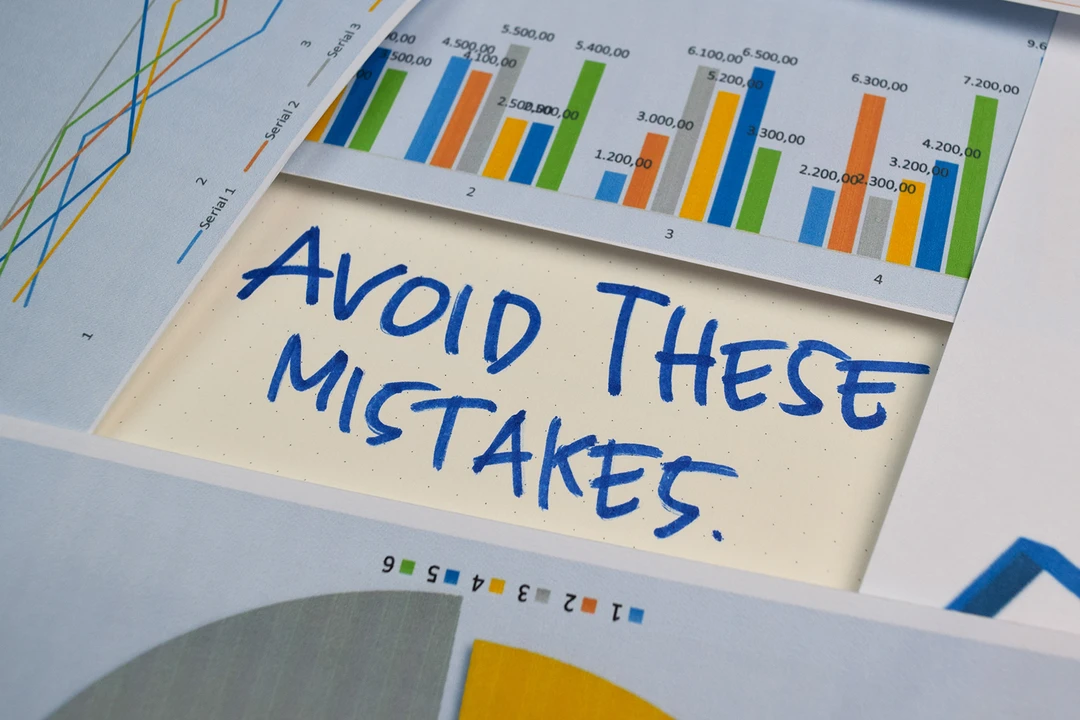
Most wasted promotional merchandise budget doesn't come from a bad product category. It comes from a handful of repeatable ordering mistakes — and the data on how often they happen is more specific than most procurement teams expect.
Industry research puts the scale of the problem clearly: 40% of promotional products are discarded immediately after being received, and 66% eventually end up in landfill. Only around 16% are kept long-term.
Source: GiftAFeeling 2026 Promotional Product Statistics
That gap between "ordered" and "kept" is almost entirely explained by seven avoidable mistakes. Here's what causes them, and what to check before your next order goes out.
Why does skipping a sample order lead to expensive mistakes?
Approving a bulk order from a product photo or digital mockup is one of the costliest mistakes in promotional merchandise, because materials, colour and print quality routinely look different in person than they do on screen.
A sample run typically costs a small fraction of the full order and verifies:
- Fabric quality and construction
- Print clarity and logo placement
- Colour accuracy against brand guidelines
- Product durability and usability
- Sizing consistency across garments
This matters most for custom apparel, premium drinkware, bags and backpacks, and executive gifts — categories where a single sizing or material issue can affect an entire production run rather than one unit.
Why does choosing the cheapest product usually produce the worst ROI?
Unit price is the easiest number to compare on a quote, which is exactly why it's the wrong number to optimise for. PPAI's "5-Second Impact" research found that poor material or construction is the single biggest reason recipients reject a promotional product immediately — ahead of generic design or already owning too many similar items.
Source: PPAI Research, The 5-Second Impact
The pattern holds across categories: premium insulated drinkware gets used daily, quality backpacks travel with someone for years, and retail-quality apparel gets worn voluntarily outside work. A single well-chosen product routinely outperforms a much larger order of cheap alternatives, because retention — not distribution volume — is what generates ongoing impressions.
Browse Brandconnect's drinkware range and clothing and workwear range for the two categories where the quality-versus-price gap shows up most clearly.
Why do rushed orders create quality and cost problems?
Last-minute ordering removes the two safeguards that prevent the mistakes above: there's no time for sample approval, and limited product availability narrows the field to whatever's in stock, regardless of fit for the audience.
|
Product type |
Average lead time |
|
Stock products with branding |
7–10 business days |
|
Standard promotional products |
2–4 weeks |
|
Embroidered apparel |
3–5 weeks |
|
Fully custom products |
6–10 weeks |
Planning 8–12 weeks ahead of a campaign consistently produces better product selection, quality control and pricing than ordering against a deadline.
Why do businesses keep ordering products nobody actually wants?
Novelty products get chosen because they seem fun or inexpensive, not because anyone has checked whether the audience will use them. The products that fail this test most often — cheap gadgets, weak plastic pens, stress toys, generic office clutter — share one trait: nobody would choose to keep them if the logo weren't there.
The reverse test works reliably: would someone use this if there were no branding on it at all? Premium drinkware, tech accessories, quality apparel, notebooks and structured bags all pass that test consistently, which is why they're the categories seeing sustained reorder rates.
Explore Brandconnect's sustainable range and notebooks and stationery range for two of the highest-retention categories currently available.
Why does poor branding execution damage otherwise good products?
Even a well-chosen, well-made product underperforms when the branding execution is weak. Incorrect logo colours, low-resolution artwork, oversized placement and cheap print methods are all avoidable with the right production process:
- Supply vector artwork files (.AI, .EPS, .SVG) rather than raster images
- Use Pantone colour matching where the supplier offers it
- Review physical or digital mockups carefully before approving production
- Test embroidery and print samples on the actual product, not a proxy material
- Keep branding placement subtle enough that the product still reads as usable, not promotional
Nearly 90% of consumers say a product's design plays a role in whether they keep it, and 44% specifically prefer subtle branding over large, highly visible logos.
Source: GiftAFeeling 2026 Promotional Product Statistics
Why does ordering more products usually create less brand value?
"More products means more exposure" is the assumption behind most oversized, underperforming orders — and the data runs the other way. A Custom Ink survey of over 1,000 corporate buyers found 67% only consider a merchandise order successful if recipients voluntarily wear or use the items, and nearly half said seeing products go unused is what pushed them toward buying fewer, better items instead.
Source: Custom Ink 2026 Swag Trends Survey
A single quality insulated bottle used daily for three years creates substantially more brand impressions than a large order of giveaway items discarded within days — at a lower total cost per impression, not a higher one.
How is AI changing promotional merchandise sourcing decisions?
Guesswork is the common thread running through most of the mistakes above — choosing a product because it seems appropriate rather than because data supports it. Brandconnect's AI Merch Search addresses that directly: describe the audience, industry and budget, and it surfaces relevant, higher-retention options instead of requiring a manual search through a full catalogue.
Try Brandconnect's AI Merch Search to shortlist products before your next order.
Frequently Asked Questions
What percentage of promotional products get thrown away?
Industry data puts it at around 40% discarded immediately after receipt, with 66% eventually ending up in landfill and only around 16% kept long-term — almost entirely explained by poor quality or irrelevance to the recipient.
How far in advance should promotional merchandise be ordered?
8–12 weeks for a full campaign. Lead times range from 7–10 business days for stock products with branding up to 6–10 weeks for fully custom products, and rushing any of these removes time for sample approval and quality control.
Is it worth paying more for a sample before a bulk order?
Yes. A sample run costs a small fraction of a full production order and catches material, colour, sizing and print issues before they affect hundreds or thousands of units.
What makes branded merchandise get discarded quickly?
Poor material or construction is the single biggest reason recipients reject a product immediately, ahead of generic design or already owning something similar — quality outweighs novelty consistently.
Is ordering fewer, higher-quality products actually better for ROI?
Generally yes. A smaller order of products people actually use generates more sustained brand impressions per dollar than a larger order of items discarded within days, since retention — not distribution volume — drives ongoing exposure.
Key Takeaways
- 40% of promotional products are discarded immediately and 66% eventually reach landfill — almost entirely down to avoidable quality and relevance mistakes, not the medium itself.
- Skipping a sample order is the costliest mistake on this list: a small sample spend can prevent an entire bulk order from arriving unusable.
- Poor material or construction is the top reason recipients reject a product immediately, ahead of design or redundancy.
- Planning 8–12 weeks ahead avoids the rush fees, limited stock and skipped quality control that come with last-minute ordering.
- 67% of corporate buyers now judge a merchandise order successful only if recipients voluntarily use the items — a direct shift away from "more units, more exposure" thinking.
Order Smarter, Not Just Bigger
The businesses getting the strongest results from promotional merchandise aren't the ones ordering the most; they're the ones testing samples, planning ahead, and choosing fewer products people would use even without a logo on them.
Explore Brandconnect's full promotional product range, or use our AI Merch Search to shortlist quality options for your next campaign. Call 1300 567 565 or visit brandconnect.com.au to get started.
Brandconnect blog: Insights, trends & merch tips

Avoidable Mistakes When Ordering Promotional Merchandise
Most wasted promotional merchandise budget doesn't come from a bad product category. It comes from a...
Why Branded Drink Bottles Beat Digital Ads on ROI
AI-generated content now fills most of what people scroll past in a day ; ads, emails, social posts,...

How Major Events Shape Promotional Product Trends in Australia
Australia is entering the busiest decade of major events in its history. The Men's Rugby World Cup a...

Branded Notebooks for Hybrid Teams: Why They Still Work
Hybrid work reset what counts as useful merchandise. Employees who move between office, home and cli...
Slow Branding: What Marketers Are Learning
Why Slow Branding Is Replacing Fast Promotional Product Strategies For years, promotional products f...
The Psychology of Touch: Why Physical Branding Still Matters
Why Haptic Marketing Creates Stronger Brand Memories Digital marketing dominates attention. Screens...