
Custom Branded Apparel People Actually Wear
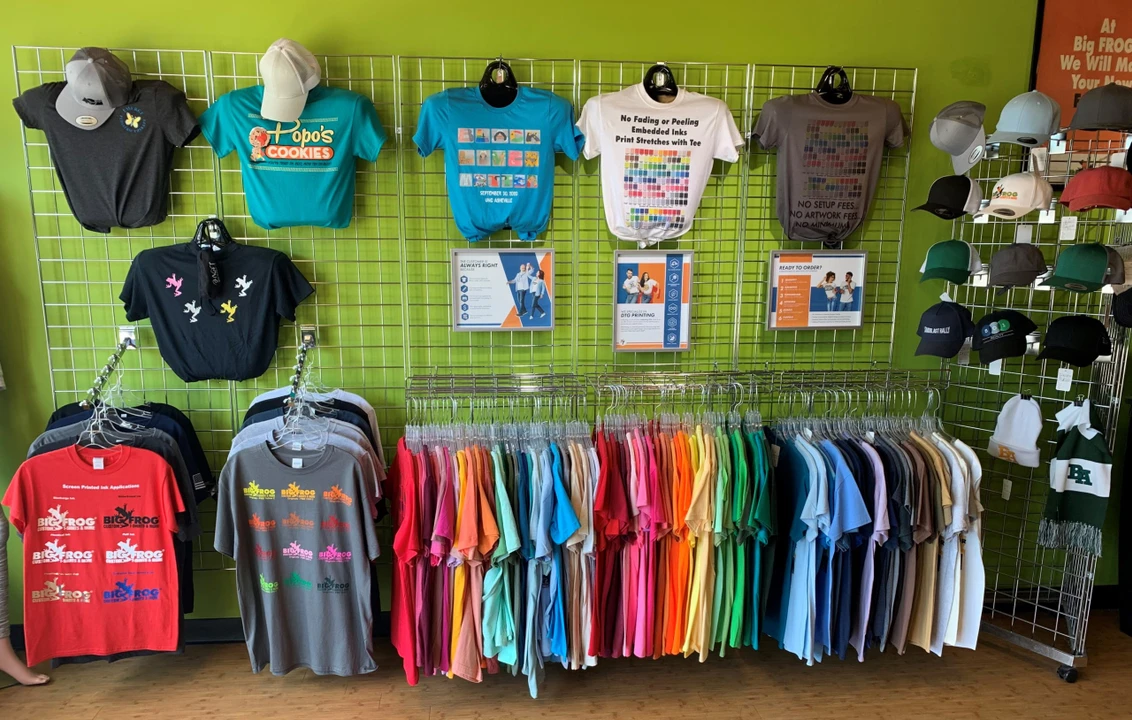
Most branded apparel doesn't fail because of the logo. It fails because of the garment underneath it , thin fabric, a boxy fit, and a placement that makes it obvious the shirt was given away rather than chosen.
Australian employees now compare corporate apparel against what they already wear personally, not against the last round of promotional t-shirts. That comparison is unforgiving, and it's why apparel programs built around fabric weight, fit and restrained branding are outperforming programs built around logo size.
This article covers what actually determines whether branded apparel gets worn past the first week, and what to specify before your next order.
Why does branded apparel get left in a drawer instead of worn?
Three failure points show up repeatedly in apparel programs that don't get worn: fabric too thin to feel premium, a fit generic enough to feel like a uniform rather than a garment, and branding large enough to read as advertising rather than clothing.
None of these are matters of taste. They're specifications — GSM (fabric weight), cut, and logo placement and size — which means they can be set correctly before an order goes out, rather than discovered afterward when wear rates come in low.
What fabric weight actually determines whether apparel gets worn?
GSM (grams per square metre) measures fabric weight, and it's the single biggest lever on how premium a garment feels before a logo is even applied.
- Lightweight fabric, under 180gsm — feels thin and promotional; performs poorly outside single-use event apparel
- Mid-weight, 180-220gsm — standard for everyday t-shirts and polos; acceptable but not distinctive
- Heavyweight, 240-320gsm — the range driving current demand for tees and hoodies; structure and drape read as retail quality rather than corporate giveaway
- French terry and fleece — the standard for premium hoodie construction specifically, where feel matters as much as weight
AS Colour remains one of the most consistently reordered apparel brands in Australia because its garments sit in the heavyweight range with retail-quality construction and finishing already built in, rather than requiring an upgrade from a promotional blank.
Browse Brandconnect's clothing and workwear range to compare fabric weights and construction by garment type.
Does minimal branding really change how often apparel gets worn?
Yes, and the mechanism is straightforward: a large chest logo signals "promotional item," which limits where someone is comfortable wearing it. A small embroidered mark or tonal placement reads as a design choice, which doesn't.
Placements seeing the strongest adoption in 2026:
- Small embroidered chest logos rather than full-width prints
- Tonal branding — logo colour close to the garment colour, visible on close inspection rather than at a glance
- Sleeve and back-neck placements as an alternative to chest branding entirely
- Monochrome logo applications that work across a neutral palette (black, white, charcoal, olive, sand)
The trade-off is real: smaller, subtler branding means fewer people notice it in any single moment. But it means the garment gets worn in more places, more often — and total impressions over the garment's life depend far more on wear frequency than on logo size in any one instance.
How long do people actually keep branded apparel?
Retention data on promotional products shows apparel — and outerwear specifically — outperforming most other merchandise categories. Industry retention research puts outerwear at an average of 16 months in active use, ahead of umbrellas and t-shirts at roughly 14 months each, and well ahead of shorter-lifespan categories like calendars.
Source: promotional product retention research
That gap matters for budget allocation. A heavyweight hoodie or jacket that gets worn for over a year delivers substantially more brand impressions per dollar than a low-quality tee replaced within a season — even though the upfront unit cost is higher.
What construction details separate apparel that lasts from apparel that fades?
A garment only delivers on that 16-month retention figure if it survives repeated washing without shrinking, fading or losing shape. The details that determine that:
- Reinforced seams and double stitching at stress points
- Ribbed cuffs and collars that hold shape after multiple washes
- Pre-shrunk, enzyme-washed fabric that keeps its fit rather than shrinking after the first wash
- High-quality screen printing or embroidery that doesn't crack or fray
- Extended and gender-neutral sizing so fit isn't the reason a garment stops being worn
Offering fit samples or a sizing session before a bulk order is a small step that measurably reduces the number of garments that end up unworn simply because they don't fit well.
Which garment and fabric weight suits which use case?
|
Garment |
Recommended GSM / fabric |
Best use case |
|
Everyday branded tee |
180-220gsm cotton |
General staff apparel, moderate wear frequency |
|
Premium branded tee |
240-320gsm heavyweight cotton |
Client-facing teams, events, higher retention priority |
|
Hoodie / crew neck |
French terry or fleece, 280g+ |
Onboarding kits, hybrid-work casual wear |
|
Technical polo |
Performance blend, moisture-wicking |
Outdoor, field or client meeting apparel |
|
Jacket / outerwear |
Heavyweight shell or fleece |
Longest average retention (16 months) — highest-value apparel spend |
Source: promotional product retention research (GSM ranges based on current Australian supplier standards)
Frequently Asked Questions
What GSM should branded t-shirts be?
180-220gsm is standard for everyday wear; 240-320gsm heavyweight cotton is what's currently driving demand for tees and hoodies people choose to wear outside work, because it reads as retail quality rather than promotional.
Does logo size actually affect how often apparel gets worn?
Yes. Large chest logos read as advertising and limit where someone is comfortable wearing the garment. Small embroidered or tonal placements are worn more often because they read as a design detail rather than a promotional marker.
How long do employees typically keep branded apparel?
Outerwear averages around 16 months in active use, the longest of any promotional apparel category, with t-shirts and similar items averaging closer to 14 months.
Is it worth paying more for heavyweight fabric?
Generally yes, when retention is the goal. A heavyweight garment that stays in rotation for over a year delivers more impressions per dollar than a cheaper item replaced within months, even though the unit cost is higher upfront.
Should employees get a say in apparel fit and style?
Where budget allows, yes. Fit samples, sizing sessions or a choice of cuts measurably reduce the number of garments left unworn simply because they don't fit the recipient well.
Key Takeaways
- Fabric weight (GSM), fit and branding size are specifications, not style preferences — set them correctly before ordering, not after wear rates come in low.
- 240-320gsm heavyweight cotton is the range currently separating apparel people wear from apparel that gets left in a drawer.
- Small, tonal or placement-based branding gets worn more often than large chest logos, because it reads as clothing rather than advertising.
- Outerwear holds the longest average retention of any apparel category at roughly 16 months — the strongest case for prioritising quality on outerwear spend specifically.
- Construction details (reinforced seams, pre-shrunk fabric, extended sizing) determine whether a garment survives long enough to reach that retention figure at all.
Build an Apparel Program People Actually Wear
The businesses seeing the strongest results aren't ordering the most apparel — they're specifying the right GSM, a modern fit, and branding subtle enough to survive outside the office.
Browse Brandconnect's clothing and workwear range to compare fabric weights and fits, or use our AI Merch Search to match apparel to your team's industry and budget. Call 1300 567 565 or visit brandconnect.com.au to get started.
Brandconnect blog: Insights, trends & merch tips
Custom Branded Apparel People Actually Wear
Most branded apparel doesn't fail because of the logo. It fails because of the garment underneath it...
Avoidable Mistakes When Ordering Promotional Merchandise
Most wasted promotional merchandise budget doesn't come from a bad product category. It comes from a...
Why Branded Drink Bottles Beat Digital Ads on ROI
AI-generated content now fills most of what people scroll past in a day ; ads, emails, social posts,...

How Major Events Shape Promotional Product Trends in Australia
Australia is entering the busiest decade of major events in its history. The Men's Rugby World Cup a...

Branded Notebooks for Hybrid Teams: Why They Still Work
Hybrid work reset what counts as useful merchandise. Employees who move between office, home and cli...
Slow Branding: What Marketers Are Learning
Why Slow Branding Is Replacing Fast Promotional Product Strategies For years, promotional products f...